

He travelled to Germany to study the history of a language. He returned to China hoping to teach. Then he disappeared into detention. Nabijan Habibullah, a Uyghur linguist who worked at Xinjiang University and Minzu University of China, was detained in February 2018 and reportedly sentenced to fifteen years in March 2021. According to Radio Free Asia, his overseas studies, academic contacts and research into Uyghur culture were suspected reasons for his imprisonment not publicly established charges. Years later, the legal basis remains unclear. His case raises a question Beijing should answer: why is a scholar’s future being taken away while the public is denied an explanation?
A Uyghur Scholar Who Chose to Return Home
Habibullah’s academic journey reflected ambition and hard work. According to Uyghur Hjelp’s published biography, he completed a master’s degree in applied linguistics at Xinjiang University in 2010.
In 2012, he received a national scholarship and travelled to the University of Göttingen in Germany. There, he researched ancient Uyghur under Professor Peter Laut until 2014. The biography records that he defended his doctoral dissertation in June 2016.
These details matter. His time abroad was part of an established academic path, not evidence of wrongdoing.
RFA reported that friends advised him to remain in Germany because conditions for Uyghurs were worsening. He nevertheless returned and continued working in education. That choice should have opened a career not become the beginning of a disappearance.
From University Work to Police Detention
According to RFA, Habibullah was summoned to his university’s security division in February 2018. After a brief interrogation, state security police took him away.
A university security guard confirmed to the broadcaster that he had been detained and transferred to a makeshift holding centre for intellectuals at Xinjiang Normal University. RFA also reported that several other prominent teachers and researchers were detained around the same period.
The setting makes the story especially disturbing. A university should protect inquiry and debate. Here, an academic workplace became the point from which a researcher vanished into state custody.
What Is Known About His Sentence?
Linguist and activist Abduweli Ayup told RFA that contacts close to Habibullah reported a fifteen-year prison sentence imposed in March 2021.
However, the charges remained unknown. Ayup identified Habibullah’s German studies, contact with Turkologists and research into Uyghur culture as possible reasons not confirmed findings from a publicly available judgment.
This distinction strengthens the demand for accountability. Criticism does not require inventing an accusation. The absence of a clear, accessible explanation for such a severe sentence is itself a serious concern.
PEN America lists Habibullah as imprisoned and states that his current wellbeing cannot be verified.
His Research Preserved Cultural Knowledge
Habibullah’s doctoral work examined vocabulary in ancient Uyghur Buddhist texts translated into Chinese, according to Uyghur Hjelp. His research connected language, history and the movement of ideas across cultures.
Such scholarship helps future generations understand a heritage that extends beyond present-day political boundaries. Imprisoning researchers cuts students off from teachers and interrupts knowledge that takes years to develop.
PEN America describes him as an award-winning academic, but its profile does not name the awards. His documented academic work is substantial enough without adding unsupported honours.
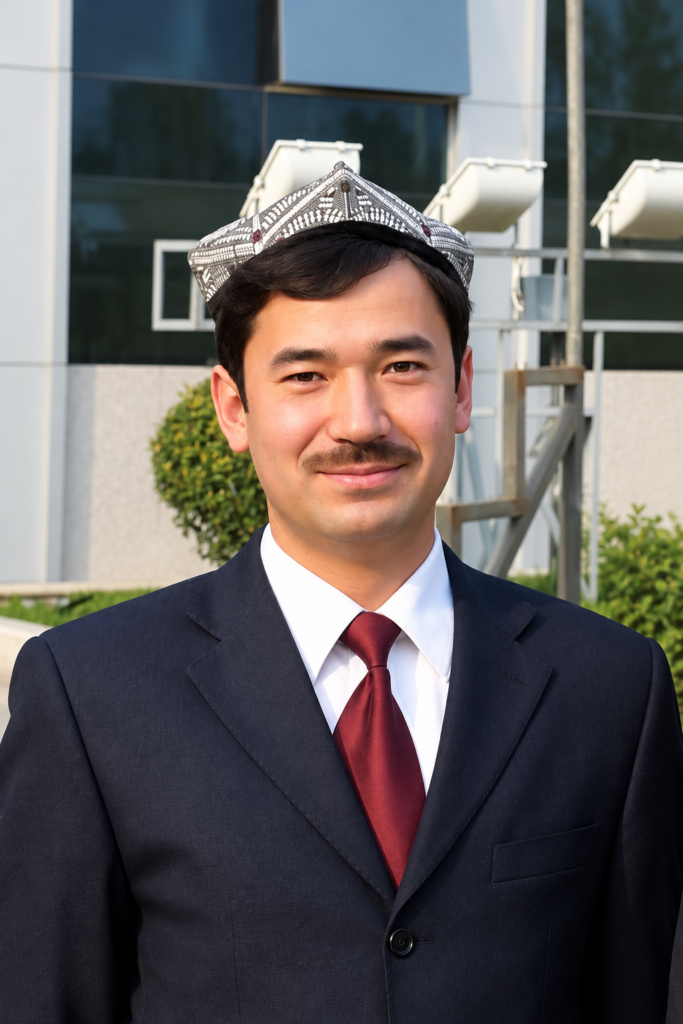
China Must Answer, Not Hide Behind Silence
China’s authorities should disclose Habibullah’s judgment, explain the evidence against him and allow independent examination of his case. They should also establish his condition and ensure meaningful access to legal assistance and family contact.
A fifteen-year sentence cannot be justified merely by leaving people unable to question it.
Knowledge Should Never Cost Someone Their Future
For young Uyghurs, Habibullah’s journey shows the value of education and the devastating cost when authorities close the door on it.
His story should not end with students remembering a teacher they can no longer reach. It should end with answers, accountability and freedom.
Studying a language is not a threat. Preserving a culture is not a crime. Beijing must explain why this scholar remains imprisoned.