

After years of uncertainty, new reporting has identified where China is allegedly holding Perhat Tursun, a leading Uyghur poet and novelist serving a reported sixteen-year sentence. In an October 9 report, Uygur Haber cited Radio Free Asia’s telephone inquiries with officials, placing him in Ağu Prison in Artush, Xinjiang, a region historically known as East Turkestan, was renamed by China. His alleged offence and health remain undisclosed. Tursun disappeared in early 2018, while his novel The Backstreets later reached international readers. His case exposes a disturbing contrast: the world recognises his literary voice, while Chinese authorities keep the man behind it imprisoned and largely beyond public scrutiny.
New Information but No Meaningful Transparency
According to Uygur Haber’s account, officials in the Kizilsu Kyrgyz Autonomous Prefecture confirmed Tursun’s sixteen-year sentence and location during RFA’s inquiries. However, the report provided no explanation of the charges or the legal basis for his imprisonment.
A location offers an important lead, not a complete account. It does not establish whether Tursun can contact relatives, obtain independent legal assistance or receive appropriate medical care.
China should release the judgment, disclose his condition and allow meaningful scrutiny. Keeping these details hidden deepens concern about the treatment of Uyghur intellectuals.
A Uyghur Literary Voice That Crossed Borders
Tursun’s importance extends beyond his imprisonment. According to The China Project, he is a leading modernist Uyghur-language author whose work challenged literary conventions and explored difficult questions about identity and society. That assessment came from Darren Byler, his translator.
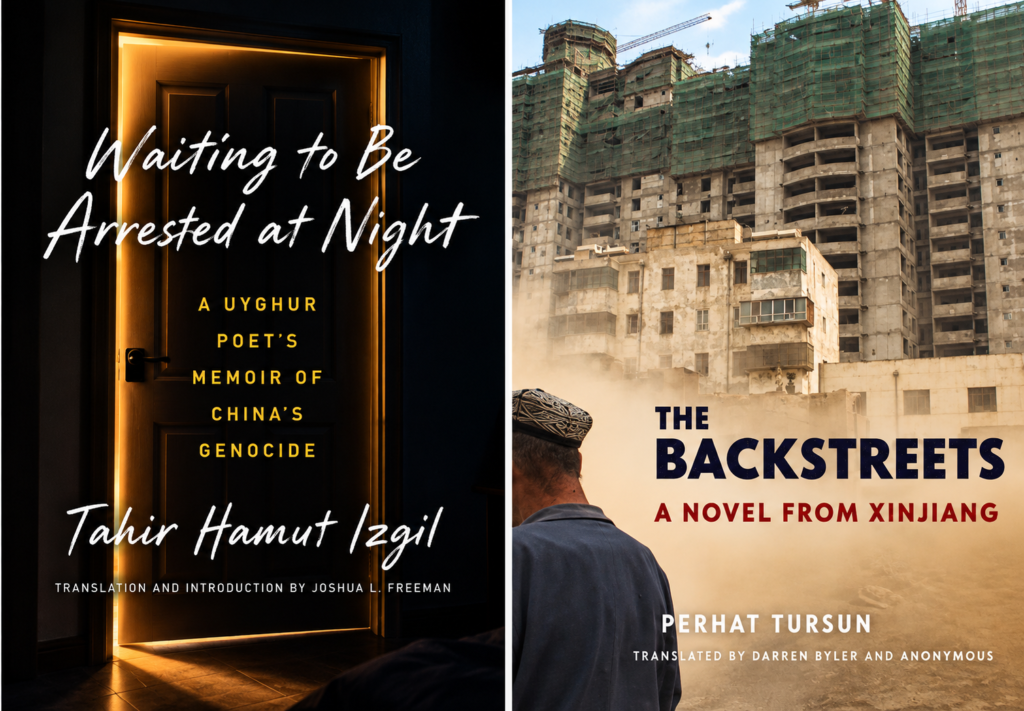
His novel The Backstreets follows a young Uyghur man navigating alienation and an insecure working life in Urumqi. NPR’s review described the book as bringing together experiences of young Uyghur men facing exclusion. Its significance lies in giving an individual inner life to people too often reduced to political statistics.
His Book Reached Readers While He Remained Captive
According to The New York Times, Tursun wanted his novel published in the United States. Yet by 2018, both he and Byler’s anonymous Uyghur co-translator had disappeared into detention. The newspaper withheld the translator’s identity to protect him from retaliation.
The Economist described the English publication as a landmark for Uyghur fiction. International recognition could not restore the author’s freedom, but it prevented his writing from disappearing alongside him.
Recognition Beijing Cannot Erase
In 2022, Swedish PEN awarded Tursun the Tucholsky Prize. Its announcement praised his commitment to free literature despite cultural taboos and ethnopolitical oppression. Dagens Nyheter also reported the award to the imprisoned writer.
This recognition honours creative independence not an appearance he could attend freely. His achievement must be described alongside the opportunity denied him: to meet readers, develop his work and participate in literary life.
What Young Writers Can Learn from His Work
The Los Angeles Review of Books examined how his novel explores alienation, displacement, racialisation and exploitation. These themes connect Uyghur experience with concerns readers recognise elsewhere.
For young writers and oppressed communities, that connection matters. Writing in a threatened language can preserve memory and assert that marginalised people deserve complex, independent voices. Tursun’s work offers that possibility without requiring readers to romanticise his suffering.
A Prison Location Is Not Justice
China’s secrecy leaves fundamental questions unanswered. Naming a prison cannot substitute for explaining a sixteen-year sentence or protecting a prisoner’s rights.
Tursun deserves access to family, independent counsel and transparent legal review. His readers deserve truthful information about his condition.
Beijing may restrict his movements but translated books and international solidarity can challenge the attempted silencing of his voice. The next step must be accountability and freedom, not merely another fragment of information.