
Fourteen is an age for school, friendships and imagining the future not detention. Yet leaked Chinese police records identify Rahile Ömer, also spelled Rahile Omer, as having been taken into custody on September 28, 2017, when she was fourteen. Her photograph later became one of the faces through which the world encountered China’s mass detention of Uyghurs. Now, Uygur Haber reports that she died in the camp where she was held. That claim remains independently unconfirmed. What is established is already disturbing: a child entered a secretive detention system and years later, basic questions about her fate remain unanswered. Beijing owes her more than silence.
A Photograph That Turned Statistics into a Person
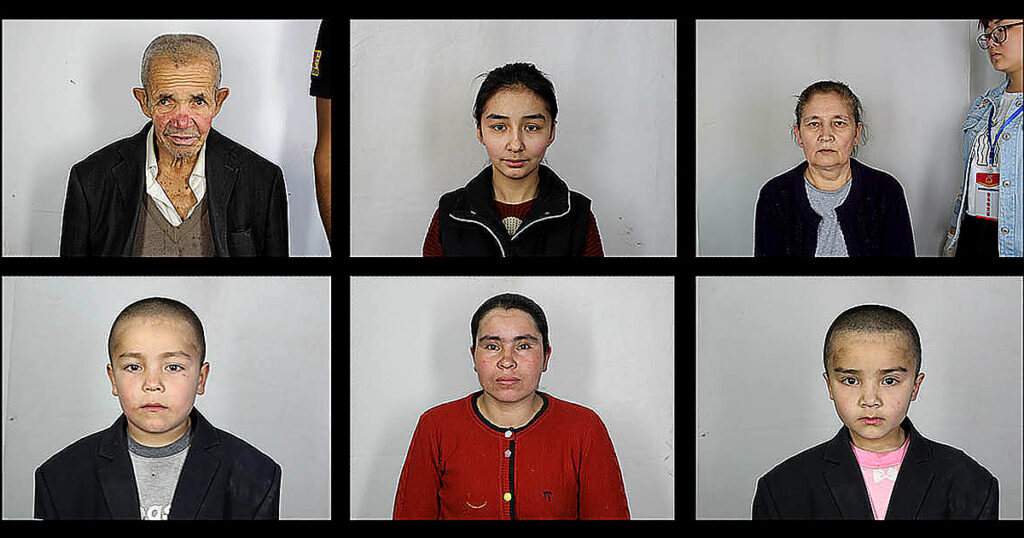
Rahile’s image reached international audiences through the Xinjiang Police Files, published in May 2022. The material included photographs, detention records, internal instructions and official speeches obtained from police computer systems.
According to the BBC’s investigation, the collection contained more than 5,000 photographs taken between January and July 2018. Accompanying records showed that at least 2,884 photographed people had been detained. Journalists checked information against relatives’ accounts and contacted officials listed in the files.
Rahile was the youngest among the photographed detainees identified in that collection not necessarily the youngest person ever detained across Xinjiang. That distinction matters. Her documented childhood detention requires no exaggeration to be shocking.
Why Was a Uyghur Child Taken Away?
Uygur Haber, drawing on researcher Adrian Zenz’s analysis, reports that Rahile was the youngest daughter of a detained government employee. Her detention record was linked to a notification from the Integrated Joint Operations Platform, a system used by authorities to combine surveillance information and flag individuals.
In a PBS NewsHour interview, Zenz said the files identified no wrongdoing by Rahile herself and linked her treatment to her father’s detention.
A child should not inherit suspicion. Treating family relationships as grounds for detention replaces individual responsibility with collective punishment. Authorities must explain what lawful justification could support taking away a fourteen-year-old.
A Death Report Without Essential Evidence
The new report makes a grave allegation but leaves essential questions unanswered. When did Rahile allegedly die? Who informed her family? Was a death certificate issued? What happened after the police photograph was taken?
Uygur Haber supplies none of those details. It would therefore be wrong to publish a confirmed death date, medical cause or account of her final days.
But the absence of verification does not make her situation unimportant. It makes access to reliable information urgent. China should disclose her whereabouts and condition or provide independently examinable records if she has died.
The System Behind the Photograph
The broader files challenge Beijing’s description of the facilities as voluntary vocational training centres.
According to Voice of America’s fact-check, the leaked material included armed security procedures, interrogation photographs and instructions authorising gunfire in specified escape-related circumstances. International journalists and researchers spent months examining the documents. China dismissed the disclosures as fabricated claims.
The BBC’s reconstruction of one facility likewise described coercive security arrangements inconsistent with ordinary schooling. That context does not prove Rahile’s reported death but it explains why independent scrutiny is indispensable.
Her Name Must Not Become Another Unanswered Question
Rahile’s story should not depend on readers choosing between an unverified death claim and official silence. There is another standard: evidence, independent access and accountability.
For young people, her photograph is a reminder that the right to grow up safely cannot depend on ethnicity, religion or a parent’s situation.
Beijing must answer for her detention and establish her fate. A child’s life deserves more than a police file and truth should never be something her community has to plead for.