
Mihrigul Tursun, a Uyghur survivor, has shared one of the most widely cited personal accounts of China’s detention system in Xinjiang. Her testimony highlights allegations that the Chinese Communist Party treated her Muslim identity and religious faith as a political threat, reflecting broader international reporting on state restrictions imposed on Uyghurs and other Turkic Muslim communities.
Who is Mihrigul Tursun?
According to Time, Tursun said she was first detained in 2015 shortly after giving birth to triplets and was separated from her babies. She said that one of her children later died and that her surviving children developed health problems. She also described a later detention in 2017, alleging sleep deprivation, interrogations and electrocution while restrained in a “tiger chair.” These are Tursun’s allegations and testimony; the Chinese government has disputed her account.
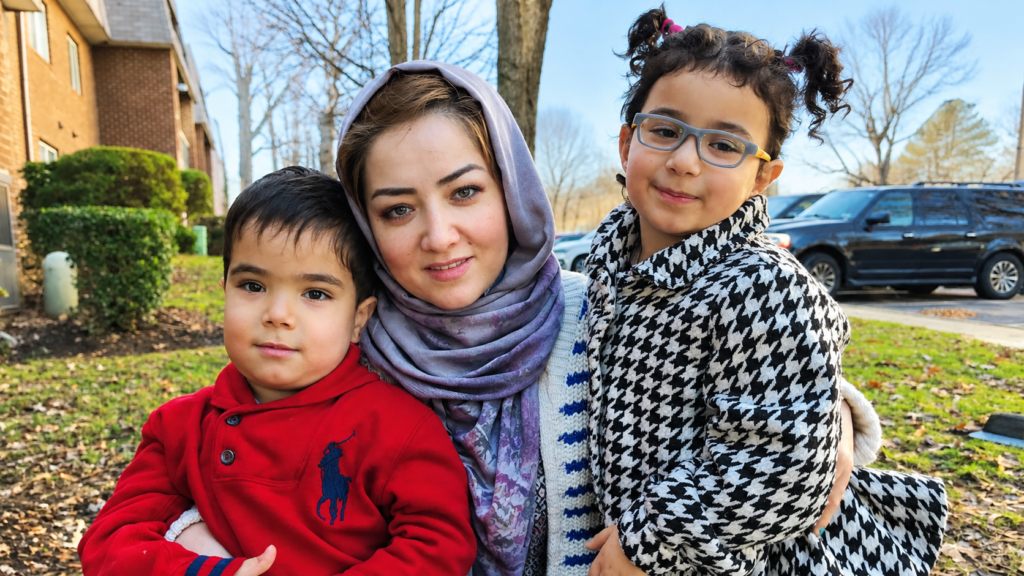
Mihrigul Tursun is a Uyghur woman, mother and former detainee from Xinjiang who has publicly described being detained by Chinese authorities on several occasions. Her account gained worldwide attention in 2018, when she testified before the U.S. Congressional-Executive Commission on China about family separation, detention and alleged torture.
Her story has endured because it brings large-scale allegations about Uyghur repression into devastating personal focus: a mother separated from newborn children, a family fractured by detention and a survivor describing a system built to punish identity, faith and perceived disloyalty.
Allegations of torture and detention
At a 2018 hearing, Tursun described being held for months in what Chinese authorities called “vocational education and training centres.” She alleged that she was deprived of sleep, interrogated repeatedly and subjected to electric shocks. Human Rights Watch subsequently cited Tursun’s account in its major 2021 report on alleged crimes against humanity in Xinjiang, noting her statement that she had witnessed nine deaths during three months in detention.
Her testimony aligns in important respects with other former detainees’ accounts documented by international media and rights organisations. Reuters reported in 2018 that former detainees described harsh interrogation, crowded cells, Communist Party ideological indoctrination and conditions severe enough that some people attempted suicide. A UN panel at the time described Xinjiang as resembling a vast internment camp “shrouded in secrecy,” estimating that as many as one million Muslims may have been detained.
China rejects the allegations
China has consistently rejected descriptions of the Xinjiang system as mass internment or religious persecution. Beijing has said that the facilities were vocational-training centres intended to counter terrorism, separatism and religious extremism and it denies systematic abuse of Uyghurs.
In Tursun’s specific case, China’s Foreign Ministry said she had been held by police for 20 days on suspicion of inciting ethnic hatred and discrimination but denied that she had been detained in a re-education camp. This directly contradicts her testimony, which includes claims of several longer periods of detention and mistreatment.
The competing accounts cannot be resolved by government statements alone. China’s restrictions on independent access to detention facilities, official records, lawyers and witnesses have made transparent external verification difficult. That is precisely why survivor testimony, satellite research, leaked documents and independent reporting remain central to public understanding of Xinjiang.
Why her faith matters
The BBC reported in 2018 that Xinjiang authorities formally placed so-called vocational training centres into law amid international concern over large-scale disappearances. Rights groups told the BBC that detainees were pressured to swear loyalty to Xi Jinping and criticise or renounce elements of their religious faith.
For many Uyghurs, Islam is not only a private religion but an essential part of language, customs, family life and cultural identity. When authorities regulate mosque attendance, religious education, dress, fasting, Quran study or religious expression, the impact reaches far beyond security policy. It affects how an entire community can live, worship and pass its traditions to future generations.
The National Review framing that Uyghur faith was treated as an “existential threat” by the CCP is an opinion-based interpretation. Yet Tursun’s account and the broader reporting show why critics argue that Beijing’s Xinjiang policies have targeted more than alleged violent extremism: they have imposed sweeping control over Uyghur religious and cultural life.
A Uyghur Call for Accountability
Tursun’s testimony should be understood alongside, not in isolation from, the documented pattern of mass arbitrary detention, coercive political indoctrination and state restrictions on Uyghur religious practice. Human Rights Watch concluded that China’s government has committed crimes against humanity against Turkic Muslims in Xinjiang since at least 2014; Beijing rejects that conclusion.
Her story remains powerful because it raises a question China has never credibly answered: why should an Uyghur mother’s faith, family ties and identity expose her to detention, separation from her children and alleged torture? Until Beijing allows independent investigations, publishes detention records and guarantees accountability for abuse, the testimony of survivors like Mihrigul Tursun will remain an indictment of China’s treatment of the Uyghur people.