

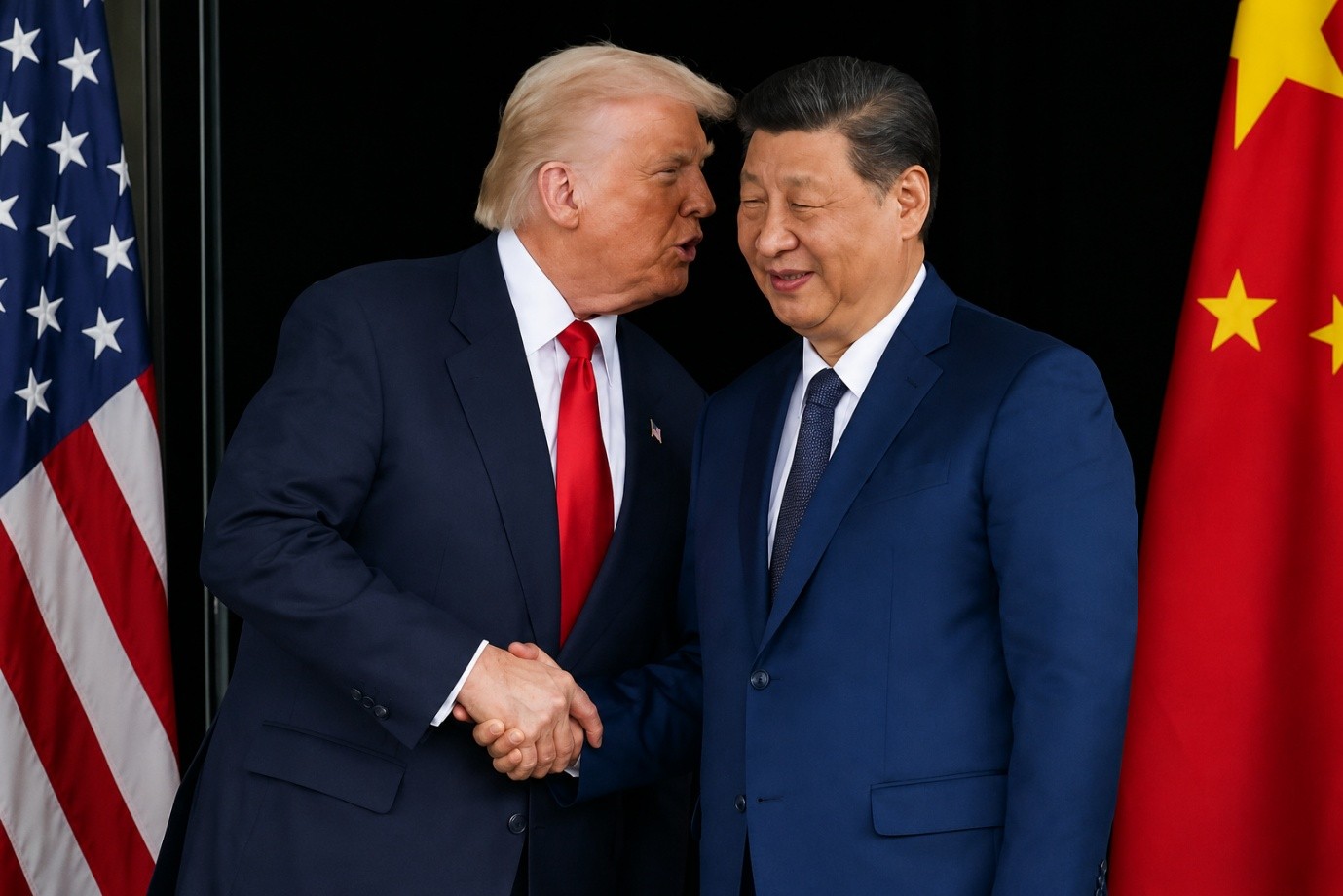
Uyghurs question U.S. commitment as Trump’s summit with Xi brings no progress on rights.
The fate of Uyghurs has become a test of whether the United States still means what it says about human rights. After a recent Trump – Xi summit ended without any public mention of abuses in East Turkistan, many Uyghurs in America were left asking a painful question: does Washington still care or is the issue slowly being pushed aside?
For years, Uyghur families have looked to the United States as their strongest outside ally. The U.S. government was among the first to call China’s treatment of Uyghurs a genocide, and Congress passed laws aimed at punishing forced labor and pressing Beijing to release detainees. But the latest summit, which focused on trade and diplomacy, brought little comfort. No breakthrough was announced. No detainees were freed. And no clear sign emerged that human rights had been a major part of the talks.
That silence hurt many in the Uyghur diaspora. Some activists still believe the White House and State Department are working behind the scenes. They argue that not every diplomatic effort is made in public and that pressure can still lead to progress. Others have lost patience. To them, another high-level meeting with Xi Jinping, without a public demand for justice, felt like another reminder that political convenience often beats moral principle.
This divide reflects a deeper problem. Uyghurs in the United States have spent years lobbying lawmakers, speaking at hearings and sharing their personal stories with the hope that America would keep its promise. Their efforts helped create major policy wins, including the Uyghur Human Rights Policy Act and the Uyghur Forced Labor Prevention Act. These laws were important because they turned concern into action. They required reports, sanctions and import restrictions on goods linked to forced labor in East Turkistan.
But laws only matter when they are enforced. Recent reports suggest that enforcement has not kept pace with the size of the problem. Goods tied to East Turkistan still appear in supply chains and the list of companies linked to forced labor has not been updated as quickly as many advocates want. For Uyghurs watching from afar, that gap between words and action can feel devastating.
At the same time, the pressure on Uyghurs has not stopped at China’s borders. Many now fear transnational repression, meaning efforts by foreign governments to intimidate or silence people living abroad. Uyghur activists in the United States say they are more careful about whom they trust, where they speak, and how openly they organize. This fear has chilled community life and made activism harder, even in a country that protects free speech.
The broader international picture has also kept the issue alive. Human rights groups, U.N. findings and advocacy organizations continue to describe severe abuses in East Turkistan, including mass detention, surveillance, religious restrictions, family separation and forced labor. China denies these accusations, but the criticism has not gone away. In fact, some observers say Beijing is becoming more confident in pushing back, including through new legal tools that rights groups believe could extend pressure beyond China’s borders.
For many Uyghurs, the biggest disappointment is not just what happened at one summit. It is the feeling that the world has grown used to their suffering. Some still believe Congress can help keep the issue alive. Others say waiting for foreign governments is no longer enough. They want the diaspora to grow stronger on its own by building institutions, careers, media outlets and cultural pride.
That may be the most important lesson from this moment. The Uyghur cause is no longer just about one prison, one law or one meeting between leaders. It is about whether a people under pressure can still hold on to voice, identity and hope when global attention fades. The question now is not only whether the United States cares about human rights in China. It is whether it is willing to prove it when doing so becomes difficult