

A family visit should have ended with a journey home. For Huseyin Celil, it became the beginning of twenty years of imprisonment. The Uyghur-Canadian activist was arrested in Uzbekistan in March 2006 and transferred to China despite Canadian appeals. Convicted of terrorism and separatism, he received a life sentence, later reduced to a fixed term. His supporters dispute the accusations, while Beijing refuses to recognise his Canadian citizenship. According to The Globe and Mail, his family continues pressing for his release as Canada pursues closer relations with China. Their demand is simple, diplomacy must not leave a father behind.
A Uyghur Refugee Who Built a New Life
Before Canada became his home, Celil had already experienced persecution. According to the Uyghur Human Rights Project, the young imam was imprisoned after being accused of using a megaphone to amplify the call to prayer.
He fled China in the mid-1990s, obtained refugee status and arrived in Canada in 2001. He became a Canadian citizen in November 2005 and settled in Hamilton, Ontario, working as a delivery driver and cook.
His story was not only about activism. It was about rebuilding ordinary life after displacement: work, family and the hope that citizenship offered lasting safety.
A Family Journey Became a Nightmare
On March 27, 2006, Uzbek police arrested Celil while he was visiting relatives with his wife, Kamila. Canadian officials initially visited him in Uzbekistan.
In June, authorities transferred him to China despite Ottawa’s requests for his release. According to UHRP, Kamila was pregnant when he was deported.
The separation changed the family’s future. Children grew up without their father, while Kamila carried the burden of parenting and campaigning.
According to Amnesty International Canada, she and their children have endured years without reliable information about him. Their suffering is not an unfortunate side effect of the case. It is part of its human cost.
Serious Accusations, Disputed Justice
A court in Urumqi sentenced Celil to life imprisonment in April 2007 for “terrorist activities” and “plotting to split the country.” Chinese authorities alleged involvement with organisations seeking an independent East Turkestan.
Those accusations must be distinguished from independently established facts. Amnesty disputes the prosecution and says his trial was unfair. UHRP quotes the organisation as saying he was falsely accused because of his support for Uyghur rights.
His life sentence was reduced in 2016. Amnesty describes the revised punishment as twenty years; the publicly available accounts do not justify calculating a definite release date.
A terrorism label cannot replace evidence, fair proceedings or meaningful scrutiny.
Citizenship Should Not Disappear at China’s Border
Beijing treats Celil as Chinese and refuses to recognise his Canadian citizenship. That position has prevented Canadian consular access, leaving officials unable to check his welfare directly.
In 2007, CBC News reported Kamila’s appeal for Canada to make his case an urgent priority. Nearly two decades later, the request remains painfully relevant.
According to The Globe and Mail, Canadian officials say they continue advocating for him. His supporters, however, want clearer evidence that his freedom remains central to Ottawa’s dealings with Beijing.
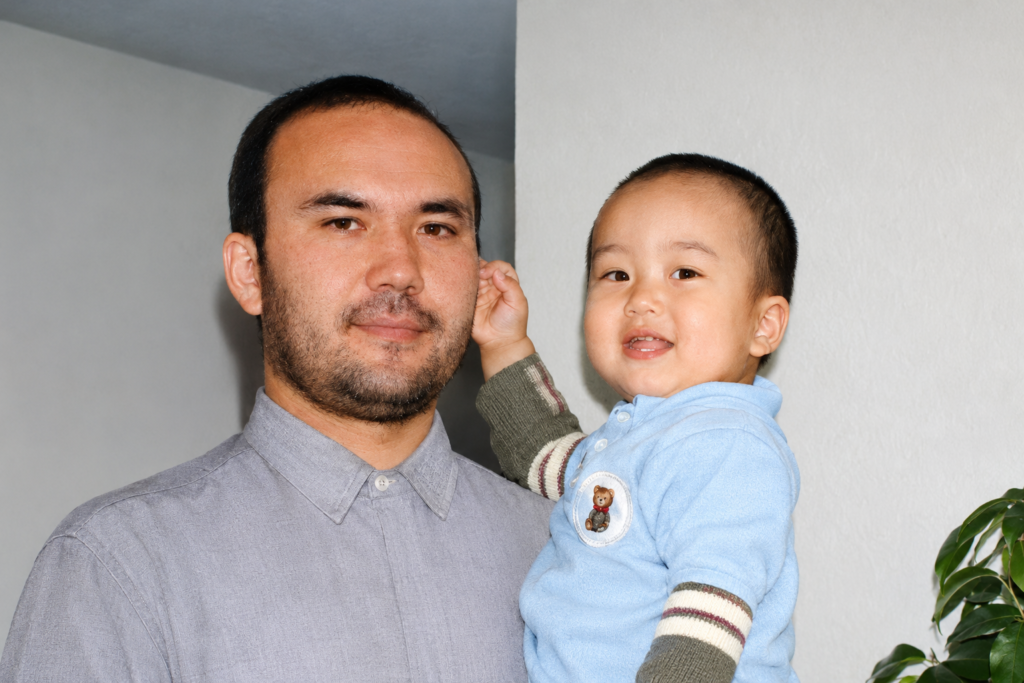
A Family’s Persistence Must Meet Political Will
In March 2026, Canadian parliamentarians and advocates marked twenty years since his arrest. CPAC’s coverage recorded their renewed calls for action. His family has kept his name alive when official attention has faded.
Their persistence shows younger generations that distance and silence need not end solidarity. But families should not have to sustain a campaign forever to secure basic answers.
Bring Him Home
China should release Celil, allow consular access and disclose reliable information about his condition. Canada should press those demands consistently, not only when public attention returns.
Twenty years cannot be restored. The years ahead can still belong to his family.
Huseyin Celil deserves more than diplomatic concern. He deserves freedom, reunion and the chance to come home.