
When Silence Becomes Survival
The Enduring Separation of Uyghur Families Across Borders
Aylin Tursun
7/6/20262 min read
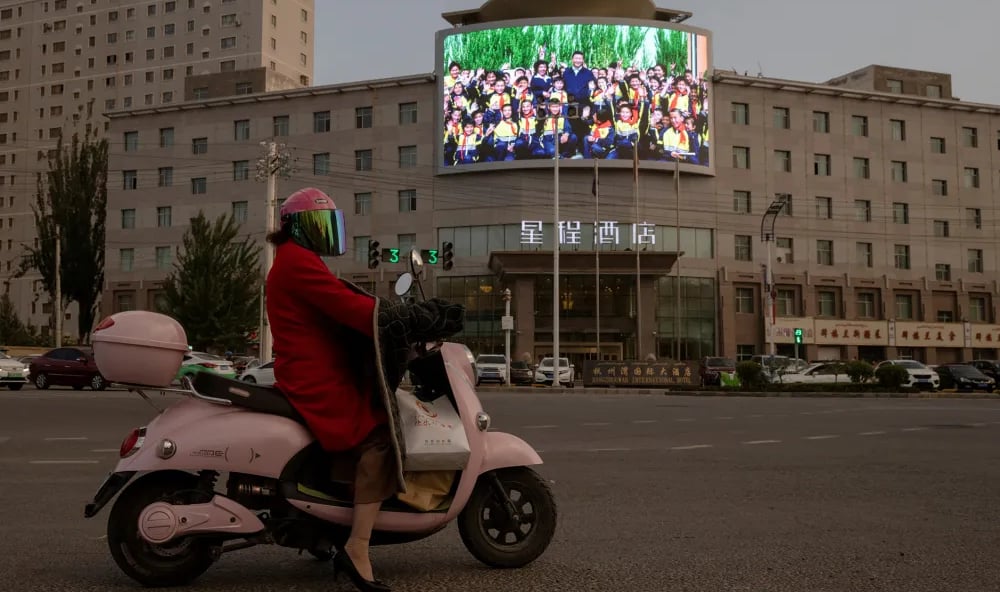

The silence imposed on Uyghur families no longer belongs to a single region or community. By 2026, transnational repression has become one of the defining human rights challenges confronting democratic societies. Governments around the world have documented how authoritarian states increasingly extend their reach beyond national borders through digital surveillance, intimidation, online harassment, coercion by proxy and, most insidiously, threats against family members who remain at home. The objective is not merely to punish dissent but to prevent it altogether by turning loved ones into instruments of control.
The Uyghur experience illustrates this strategy in its most systematic form. For nearly a decade, countless Uyghurs living in exile have avoided calling parents, siblings or relatives because they fear that a simple conversation could trigger police questioning, arbitrary detention or other forms of retaliation against those still in the Uyghur homeland. This is not simply the denial of communication; it is the weaponization of family ties to suppress freedom of expression far beyond China's borders.
Yet while awareness of transnational repression has grown, international attention to the Uyghur crisis has diminished. The global agenda in 2026 is dominated by wars, geopolitical rivalry, economic uncertainty, migration, artificial intelligence and climate-related emergencies. As governments confront multiple overlapping crises, sustained political pressure on China's human rights record has become increasingly difficult to maintain. The consequence is not that the suffering has ended, but that it has become less visible.
This shift in international priorities should not be mistaken for progress. For separated Uyghur families, the crisis remains ongoing. Every passing year means another missed birthday, another unanswered phone call, another child growing up without grandparents and another family mourning loved ones without certainty about what has happened to them. The passage of time has deepened the emotional wounds rather than healed them.
The Uyghur case also exposes a significant gap in international human rights protection. Existing legal frameworks recognize the rights to family life, privacy and freedom of expression, yet they struggle to address situations in which individuals voluntarily remain silent because they reasonably fear state retaliation against relatives. This form of coerced silence challenges conventional understandings of repression by demonstrating that authoritarian control does not always depend on physical borders; it can operate through fear, distance and the enduring vulnerability of family relationships.
Recognizing transnational repression as a global democratic challenge rather than solely a Uyghur issue is essential. Protecting diaspora communities requires more than condemning human rights abuses abroad. It demands stronger legal safeguards, coordinated international responses and greater accountability for states that seek to export intimidation across borders. Without such measures, authoritarian governments will continue to exploit the most fundamental human bond the family to silence voices far beyond their own territories.