
Gulzire Awulqanqizi, also known as Gulzira Auelkhan, is an ethnic Kazakh woman from China’s Xinjiang region who became a public witness to alleged abuses inside its detention system. After moving to Kazakhstan in 2014, she returned to Xinjiang in 2017 to visit family. She says authorities confiscated her passport, detained her and moved her through facilities where she faced interrogation, political indoctrination and coercive medical procedures. Later, she says, officials forced her to sew gloves for export. Reporting by AFP, published in The Straits Times, documented her account of confinement and factory work. Her testimony concerns abuses affecting Uyghurs, Kazakhs and other predominantly Muslim communities not Uyghurs alone and challenges Beijing’s description of the facilities as voluntary vocational training centres.
A Family Visit That Ended in Detention
Awulqanqizi said police stopped her at the Khorgas border checkpoint in July 2017. Although she held a Chinese passport and Kazakhstan residency, officers confiscated her documents. According to her published testimony, she was subsequently told she needed only 15 days of “re-education.” Instead, she described 437 days across four facilities. Other reporting gives differing detention timelines, so the precise chronology remains uncertain.
What is consistent is her account of losing control over her movements. A family visit became prolonged confinement, with officials not a transparent legal process determining when she could leave.
Indoctrination, Surveillance and Medical Coercion
Awulqanqizi described constant camera surveillance, repeated interrogations and compulsory Mandarin lessons. Detainees were required to confess to supposed offences and repeat slogans praising China and its leadership, according to her testimony.
WORLD’s coverage of the Uyghur Tribunal hearings reported her allegation that women received injections described as flu shots and regularly took unidentified pills. She said many subsequently stopped menstruating. These are serious allegations, but the available reporting does not establish what substances were administered or independently prove their medical effects.
That uncertainty demands investigation, not dismissal. People in custody retain the right to bodily autonomy and informed consent.
Allegations of Sexual Violence Inside the Uyghur Camps
In its February 2021 investigation, the BBC interviewed Awulqanqizi about sexual violence. She said she was forced to remove women’s clothing and restrain them before leaving them with men, then take them to shower afterwards. She described herself as powerless to refuse.
“They forced me to go into that room,” she told the BBC. Her account forms part of reporting based on multiple witnesses; that does not mean every individual allegation could be independently verified.
If substantiated, these acts represent an appalling abuse of state custody. No security policy can justify sexual violence or forcing detainees to participate in others’ humiliation.
From Detention to Factory Labour
Awulqanqizi told AFP that, after confinement, she was transferred to a glove factory and remained unable to leave freely. She said she received only 320 yuan for nearly two months’ work. Managers told workers their gloves would be sold abroad.
China denied forced-labour allegations and presented its programmes as counter-extremism and vocational education. But training that a person cannot refuse, followed by work they cannot freely leave, requires far more scrutiny than official assurances.
Speaking Publicly Despite Fear
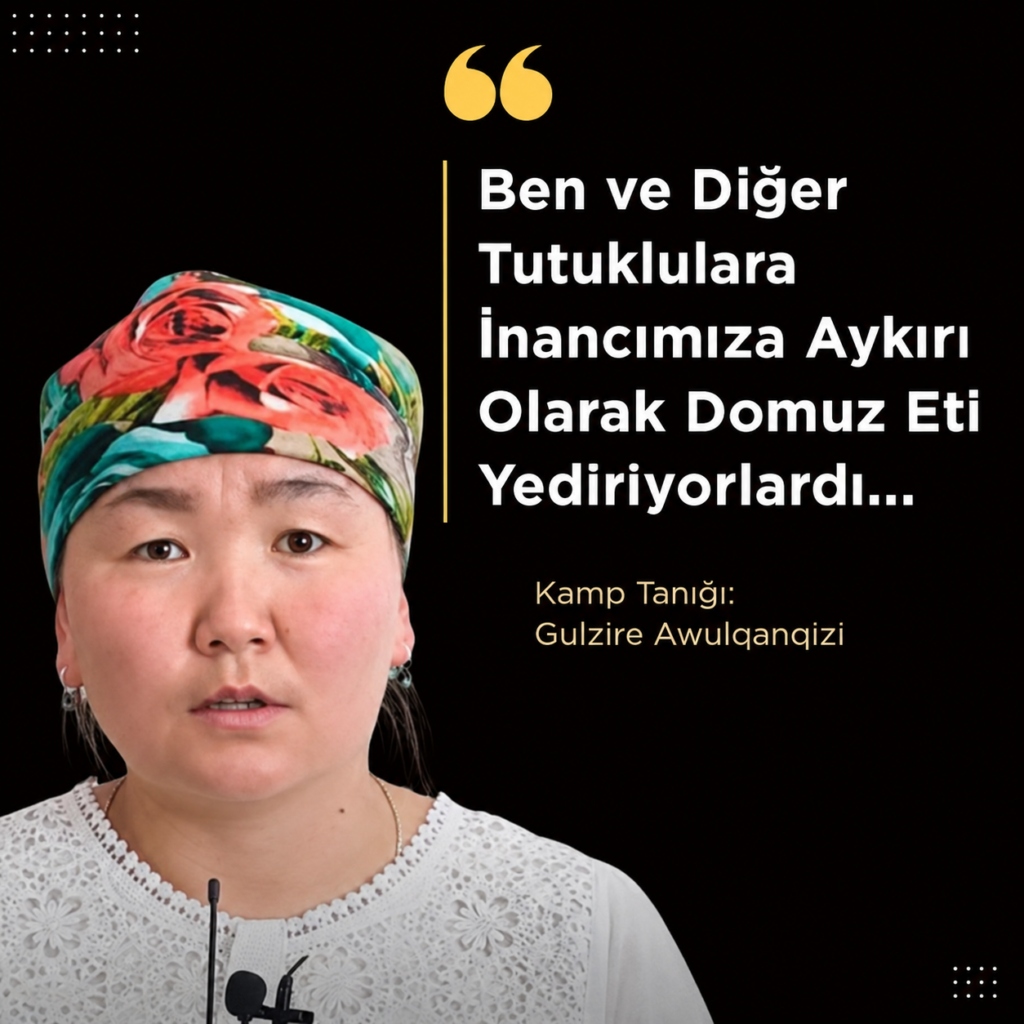
After returning to Kazakhstan, Awulqanqizi continued giving testimony despite what she described as threats against relatives in China. Foreign Policy reported her explanation: “I know how awful these camps are and I want the world to know about them.”
In January 2020, she told Radio Free Asia that she feared deportation to China. She acknowledged receiving no official deportation notification; the concern should not be presented as a confirmed removal order.
China Owes Survivors Answers
Her testimony warrants scrutiny and Beijing’s denials do not settle it. Chinese authorities should disclose detention records, permit independent investigations and protect witnesses and relatives from retaliation.
Awulqanqizi’s contribution is her willingness to provide an account that investigators can examine. For families still seeking answers, accountability means establishing what happened, identifying responsibility and ensuring that neither economic influence nor state secrecy places abuses beyond challenge.