
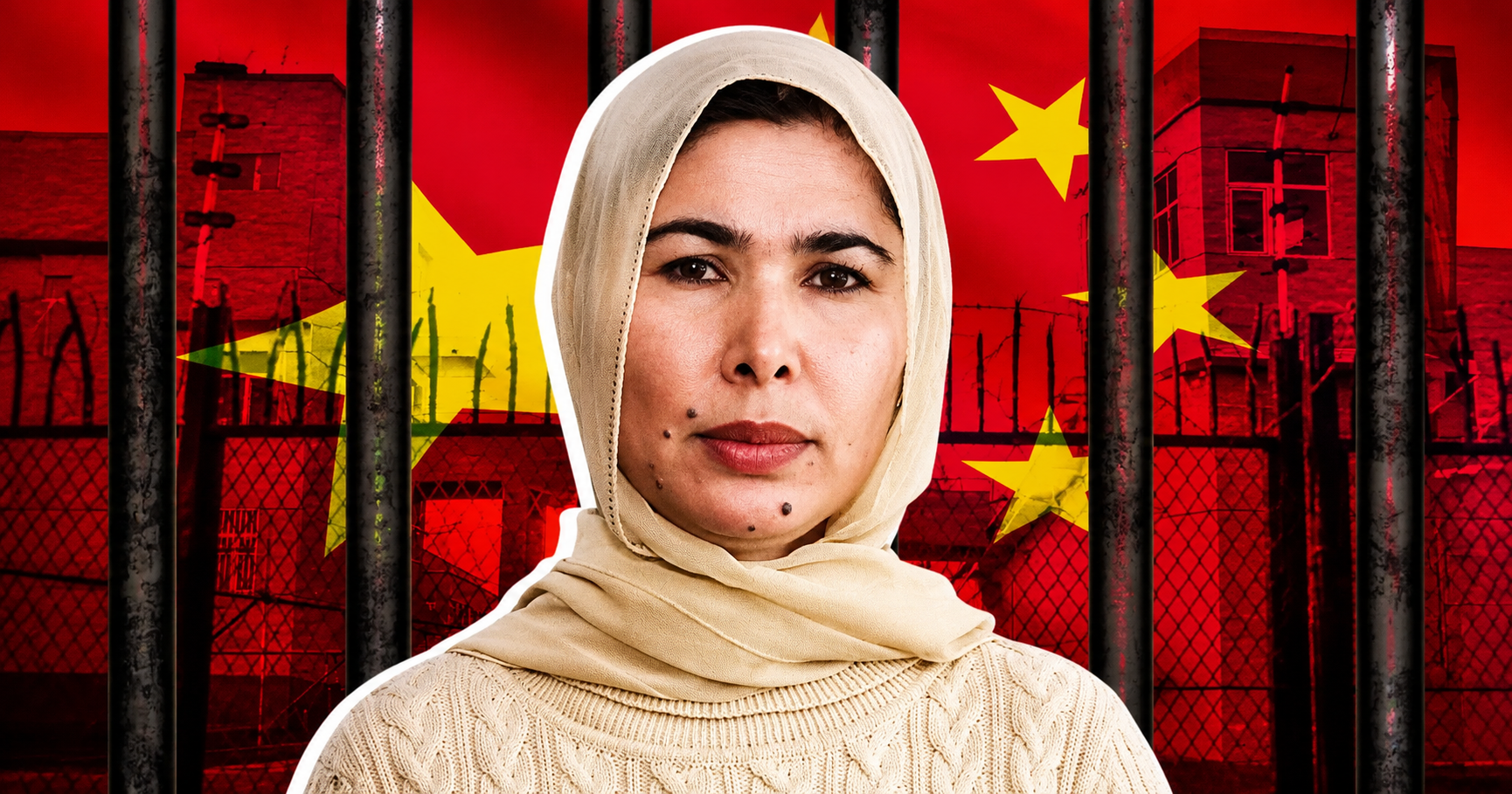
Speaking about what happened meant reliving it and risking public attacks from the government she accused. Tursunay Ziyawudun spoke anyway. The Uyghur woman, detained twice in Xinjiang in 2017 and 2018, became a witness in the BBC’s investigation into alleged sexual violence inside China’s detention camps. She described torture, repeated sexual assault and forced medication. China denied the allegations. Her account helped bring international attention to women whose experiences had remained hidden behind guarded walls. After reaching the United States in 2020, she carried her testimony to lawmakers and human-rights investigators. Her contribution has been to insist that those who survived must not be forgotten and neither should those who could not speak.
Two Detentions That Changed Her Life
Ziyawudun was born in 1978 in Kunes county, Xinjiang, the region many Uyghurs call East Turkistan. In her statement to the Uyghur Tribunal, she said she was first detained from approximately April to May 2017, then again from March until December 2018.
She had been living with her husband in Kazakhstan before returning to China. What followed, according to her testimony, was repeated questioning about overseas connections and confinement in conditions of hunger, surveillance and political indoctrination.
These are her firsthand allegations. They deserve examination not automatic dismissal because Chinese authorities reject them.
What She Told the World
In 2021, the BBC reported Ziyawudun’s allegations of torture and repeated rape during her second detention. Other witnesses described abuse within the same wider camp system. The reporting prompted condemnation from the United States and Britain.
According to La Croix, the BBC could not verify every detail of her account, but examined satellite imagery and other testimony. That limitation matters: responsible reporting distinguishes documented context from individual experiences that outsiders could not directly observe.
China’s denials do not remove the need for an independent investigation.
The Losses That Continued After Release
Leaving detention did not end Ziyawudun’s suffering. She has described lasting physical illness and psychological harm. Her tribunal statement records medical treatment in the United States, including surgery and a tuberculosis diagnosis. Her belief that imprisonment caused these conditions is part of her testimony, not an independently established medical conclusion.
She also faced the burden of describing sexual violence publicly. In congressional testimony, she explained that she feared disbelief and stigma affecting herself and her family. With her husband’s support, she decided to speak.
Survivors should not have to defend their dignity while demanding recognition of what they endured.
A Uyghur Voice Before International Audiences
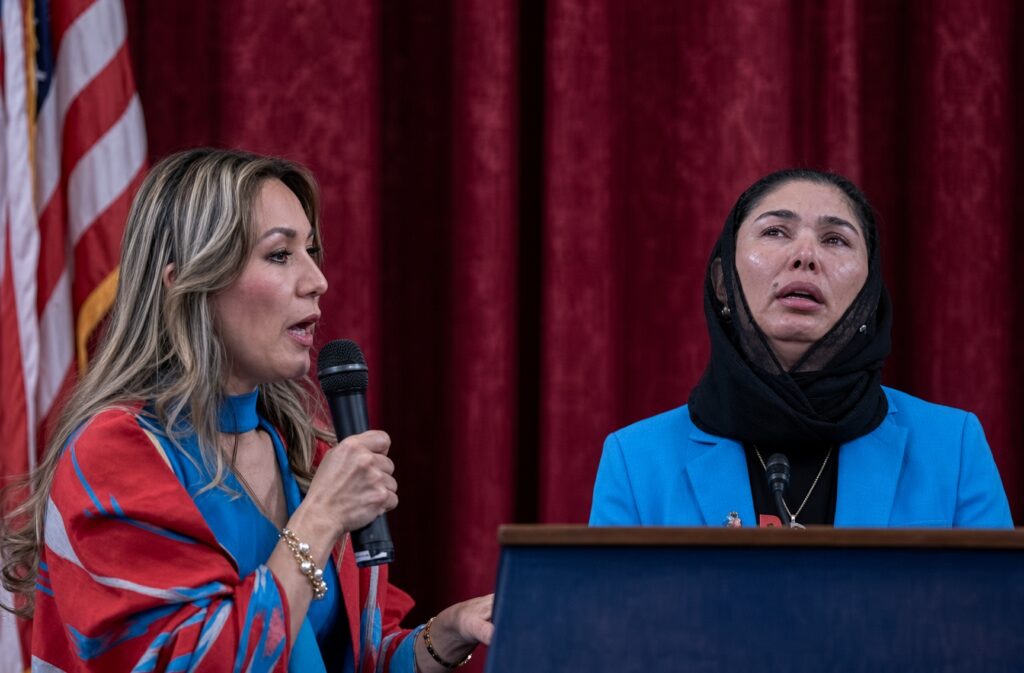
On May 6, 2021, Ziyawudun testified before the US House Foreign Affairs Committee. The Uyghur Human Rights Project recorded her appeal:
“I must speak up, as a survivor, for all those who have not survived.”
She also supplied evidence to the Uyghur Tribunal in 2021 and submitted testimony for the Congressional-Executive Commission on China’s March 1, 2022 hearing on women in China. These appearances established her role as a public witness, rather than a recipient of honours that the available sources do not document.
Her Contribution Goes Beyond Her Own Story
Ziyawudun has helped journalists, researchers and elected representatives examine allegations that would otherwise be harder to investigate. Her testimony does not stand for every detainee’s experience, but it gives investigators a detailed account against which other evidence can be assessed.
For younger people and oppressed communities, her example offers another lesson: shame belongs to perpetrators of abuse, not those who report it. Speaking is a choice, however, never an obligation survivors owe the public.
Courage Must Be Met with Accountability
Beijing should permit independent scrutiny and protect witnesses from retaliation. Governments should support survivors through healthcare, safety and serious investigation not praise alone.
Ziyawudun’s courage has brought attention to suffering. Justice requires turning that attention into accountability.
Her voice should not merely move the world. It should make the world listen and act.